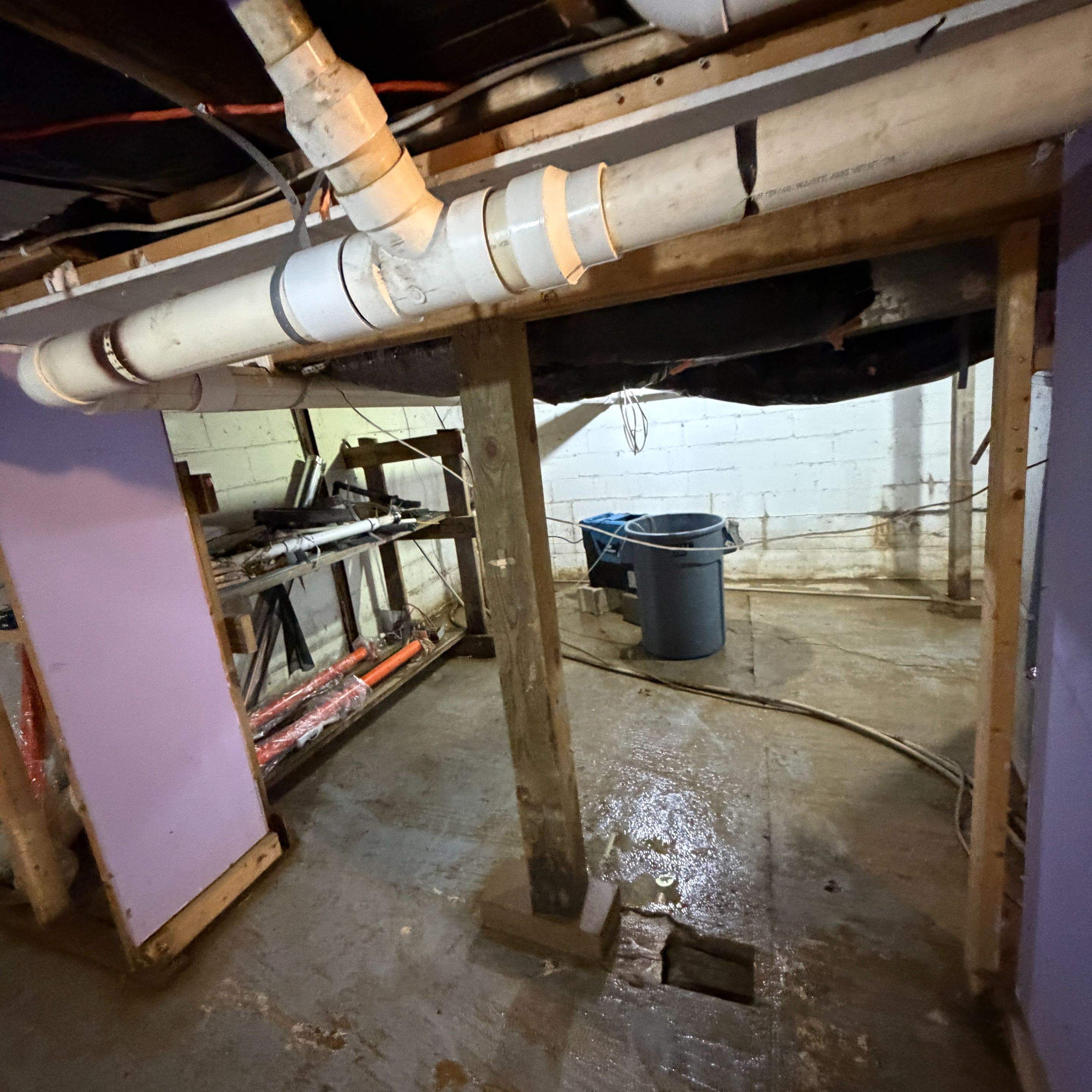
The Problem: Porous Materials Absorb Contamination Fast
Carpet, padding, drywall, insulation, particleboard, and upholstered furniture all share one trait. They pull contaminated water deep into their fibers and hold it there. Even after the surface looks dry, bacteria continue to multiply inside the material. You cannot bleach your way out of this. Surface disinfection does not reach the colonies living three inches into a carpet pad or behind a drywall sheet.
This is the single biggest reason sewage jobs feel more aggressive than a clean water loss. We are not being wasteful when we cut out drywall a full two feet above the waterline. We are following the S500 protocol because Category 3 contamination wicks vertically through gypsum.
The Solution: Remove and Replace, Document Everything
Our crews remove affected porous materials, bag them at the source, and haul them out the same day. Before anything leaves, we photograph each item and note its location for your claim file. If you want to read more about how contamination categories drive these decisions, our breakdown of Category 1 vs Category 2 vs Category 3 water damage explains the science in plain language.
Typical items we remove on a residential sewage backup:
- Carpet and pad in any room the sewage touched, including a buffer zone of 18 to 24 inches beyond the visible edge
- Drywall and baseboards cut to a clean horizontal line above the wick mark
- Insulation behind affected walls, since fiberglass and cellulose both hold contamination
We also remove cabinet toe kicks, the bottom shelves of base cabinets, and any cardboard backing on furniture that touched the water. These small pieces look harmless but harbor the same bacterial load as the materials we cut from the walls.
The Problem: Subfloors and Structural Wood Are a Judgment Call
Plywood and OSB subfloors sit in a gray zone. If sewage pooled on top for less than 24 hours and the wood is structurally sound, we can sometimes clean, disinfect, and dry the surface successfully. If the water penetrated seams, sat for a day or more, or the subfloor is particleboard, replacement is the only safe answer. Particleboard swells, delaminates, and traps contamination in ways that no antimicrobial can reach.
The Solution: Honest Triage and Insurance Documentation
We sort your belongings into three groups during the assessment:
- Salvageable hard goods that can be cleaned and disinfected on site
- Items worth sending to a contents restoration facility for specialized treatment
- Total losses that need to be inventoried, photographed, and discarded
For the third category, we build a room by room inventory with descriptions and approximate values so your adjuster has what they need. Many Sagamore homeowners also benefit from reviewing our guide on how to file a water damage insurance claim before the adjuster visit.
Sentimental Items Deserve a Second Look
Before we discard anything irreplaceable, we ask. Wedding albums, children's artwork, and family documents sometimes qualify for freeze drying or ozone treatment at a specialty facility. The cost is not trivial, but for one box of photos it can be worth every dollar. We will flag those candidates during triage rather than making the call for you.
The Solution: Fast Dispatch and a Clear Plan
Sagamore Water Restoration dispatches crews to Sagamore sewage calls in most cases within 2 hours of your call. We arrive with extraction equipment, containment materials, and the testing tools needed to make replacement decisions on the spot, not three days later. You get a written scope before demolition starts, so there are no surprises when the invoice and the insurance estimate meet.
The Solution: Moisture Testing Before We Recommend Anything
You will not get a guess from our team. We use penetrating moisture meters and thermal imaging to map exactly how far the water traveled, then we apply the S500 decision tree. Hardwood floors get the same careful look. Some can be saved with controlled drying and refinishing, while others have cupped or delaminated past recovery. We cover the full process in our sewage cleanup service page if you want the detailed workflow before we arrive.
Floor joists and wall studs almost always stay. Solid framing lumber is dense enough to clean, disinfect, and dry without harboring contamination, assuming we can access it fully. We sand visible staining, apply an antimicrobial, and verify moisture content drops below 16 percent before any new materials go back in place.
The Problem: Personal Belongings Hit Hardest
This is the part of the job that hurts. Upholstered furniture, mattresses, stuffed animals, books, photo albums, cardboard boxes of stored items, and pressed wood furniture almost always have to be discarded after Category 3 exposure. The cost of professional decontamination usually exceeds replacement value, and even then the result is not guaranteed sanitary.
The Solution: Isolate, Inspect, and Replace Soft Components
We shut the system down immediately, seal supply and return vents, and bring in a duct specialist when needed. Flex duct that was submerged gets replaced because the inner liner cannot be reliably cleaned. Hard metal ducts can usually be disinfected and reused. Furnace blowers, filters, and any insulation inside the air handler that touched contaminated water come out. Skipping this step is how a sewage job turns into a six month battle with odor and indoor air quality complaints.
The Problem: Waiting Makes Every Decision Worse
Every hour sewage sits, the replacement list grows. Mold can begin colonizing wet organic material within 24 to 48 hours, which converts a cleanup job into a remediation job and pulls more materials into the replacement column. What could have been a drywall cut at two feet becomes a full wall tear out. What could have been a salvaged subfloor becomes a joist exposure project.
The Problem: HVAC Systems Spread Contamination Invisibly
If your furnace, ductwork, or return vents were below the waterline or pulled air across contaminated surfaces, the system is now a delivery mechanism for bacteria. Running it spreads the problem to rooms that never saw a drop of sewage. Homeowners often miss this entirely and wonder why they feel sick days later.